
Why Your Small Business Needs the Right Logo Designer

Your small business logo designer is one of the most critical partners you’ll choose, as they are responsible for crafting the face of your company. This single graphic element can make or break your first impression with potential customers. As one business owner noted, “A logo is the first and most important impression your business will ever make.” Think of it as your company’s dating profile picture—it’s the visual hook that determines whether people want to swipe right and learn more about you or simply scroll past.
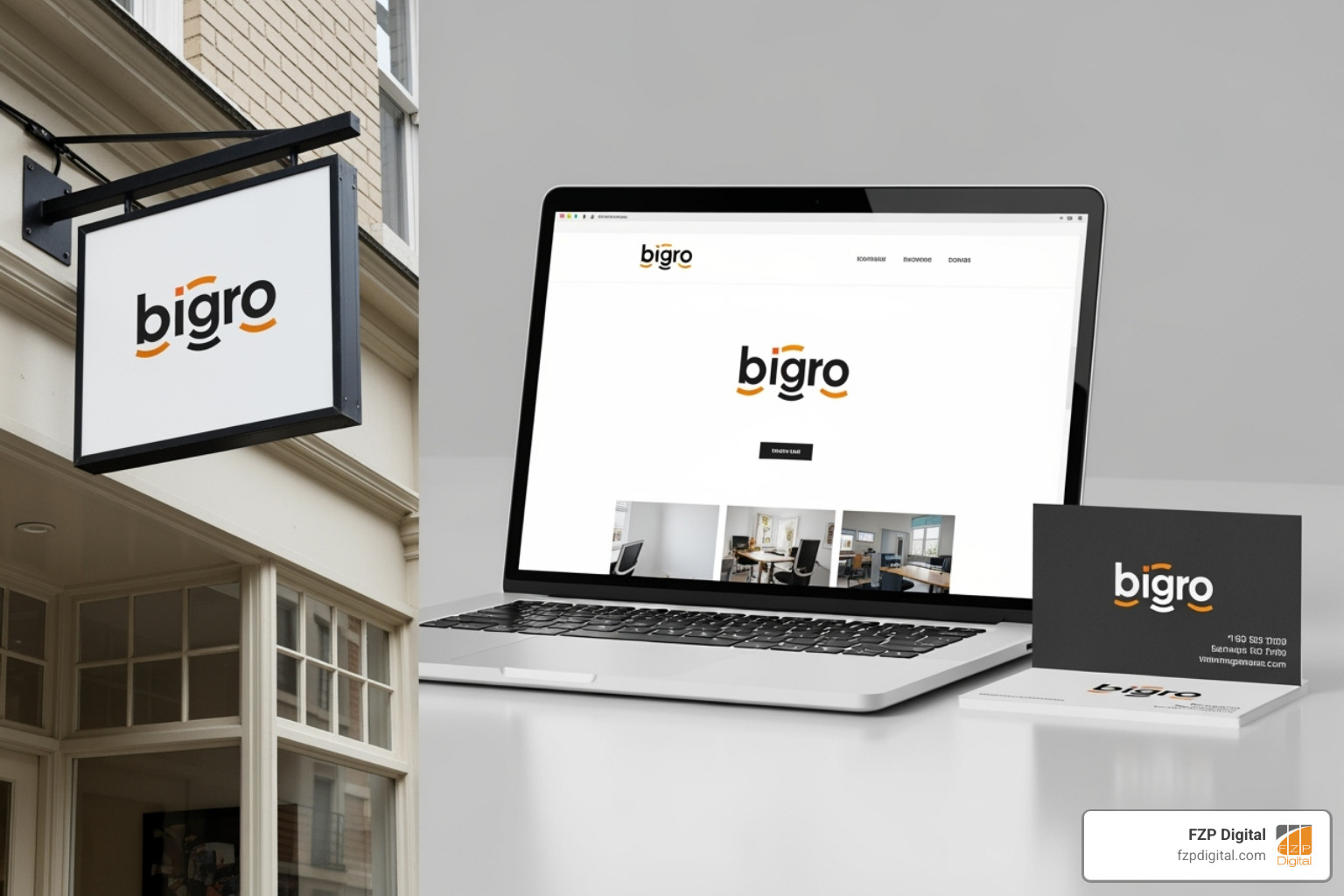
Your logo is far more than just a pretty picture; it’s the foundational cornerstone of your entire brand identity. It must be versatile enough to look sharp and professional across every touchpoint, from the header of your website to the corner of your business cards, and from your social media profiles to your physical storefront signage. This visual consistency is what builds a cohesive and memorable brand experience.
With options ranging from virtually free to tens of thousands of dollars, how do you choose the right path for your business? Let’s break down the primary avenues for getting a logo designed:
- Professional Logo Designers and Agencies ($1,000-$15,000+): This is the premium option, offering a fully custom, strategic design process. You partner with experts who dive deep into your brand, market, and audience to create a unique and effective logo. You get a collaborative experience, strategic guidance, and full ownership of all necessary files.
- Freelance Designers on Online Platforms ($100-$1,000): A vast marketplace of designers with a wide range of skills, styles, and price points. This can be a good middle ground, but quality can vary significantly. It requires careful vetting of portfolios and clear communication to achieve a successful outcome.
- Online Logo Makers (Free-$100): These are DIY tools that use templates and AI to generate logos quickly and cheaply. While budget-friendly, the results are often generic, may be used by other businesses, and lack the strategic thinking of a custom design.
- Design Contests ($300-$1,200+): In this model, you submit a brief and multiple designers submit concepts. You choose your favorite to refine. This provides variety, but often lacks the deep, collaborative partnership that leads to a truly strategic logo.
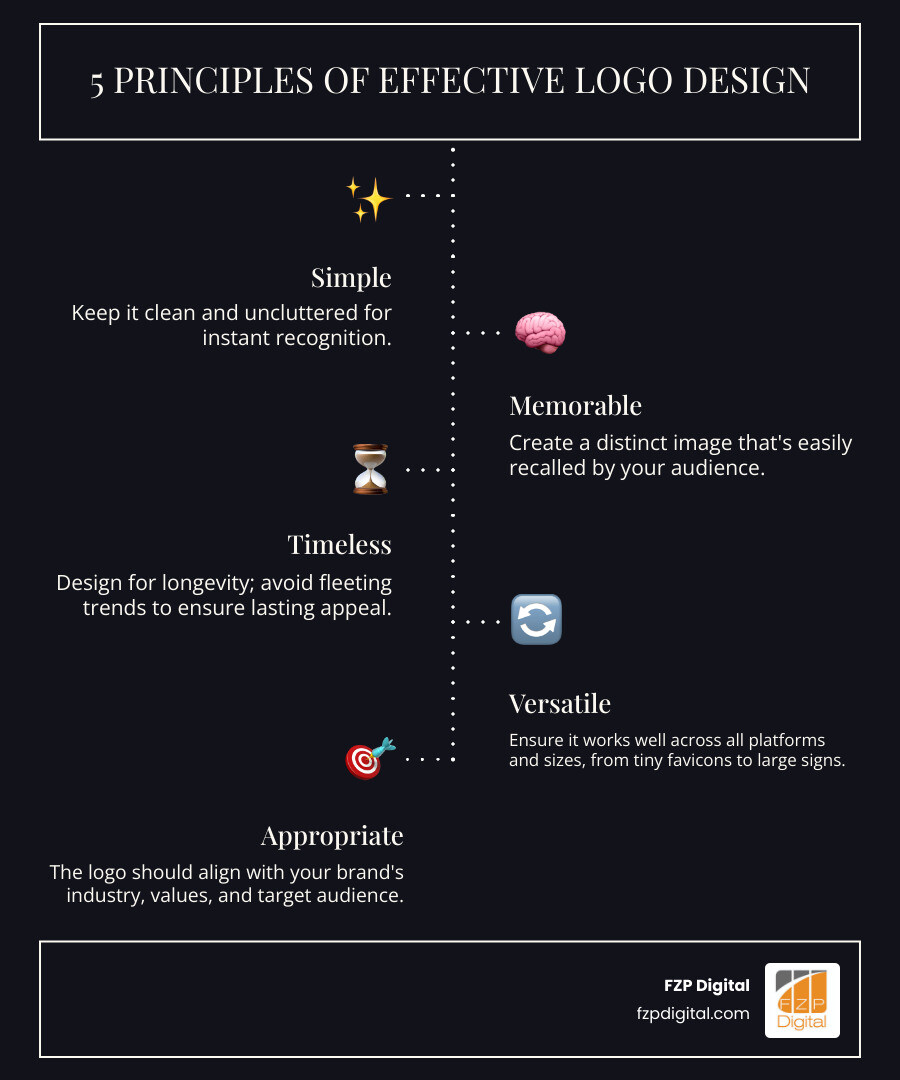
The right logo does heavy lifting: it communicates your core values, builds immediate trust with your audience, and carves out your unique space in a crowded marketplace. This guide will walk you through everything you need to know to make an informed decision, from understanding what makes a logo truly effective to working with a designer and deploying your new brand asset across all your marketing materials.
For small businesses across Philadelphia, Bucks County, Montgomery County, New Jersey, and Delaware, this guide is designed to be practical and local-business friendly. It distills the essentials of choosing a partner, setting a realistic budget, and ensuring your logo works hard across every channel you use. In line with FZP Digital’s Develop . Design . Deliver approach, you’ll walk away with a clear understanding of the process and the right questions to ask so you can invest confidently and build a brand identity that lasts.
Why a Powerful Logo is Non-Negotiable for Your Brand
Your small business logo designer creates more than just a pretty picture—they craft the visual foundation that can make or break your business relationships before you even say hello. It’s the silent ambassador working for you 24/7.
Picture this: A potential customer walks past your storefront, scrolls by your ad on social media, or receives your business card at a networking event. In those first critical seconds, your logo is doing all the talking. It’s sending powerful signals about your professionalism, your values, and whether you are a credible solution to their problem.
- Building Instant Trust: A polished, professional logo signals that you invest in your business and take your work seriously. This reassures customers that you’ll treat them with the same level of care and professionalism. Conversely, a logo that looks amateurish or thrown together can create immediate doubt, causing potential clients to assume your services are of equally low quality.
- Fostering Brand Recognition: This is where the magic of repetition happens. Think about the world’s most iconic brands; you recognize their logos instantly, without even seeing the company name. A well-designed logo acts as a visual shortcut for your business. When customers in your local market see it repeatedly—on your van, your website, your invoices—it builds familiarity and recall, making it easier for them to remember you and recommend you to others.
- Standing Out from Competitors: In a crowded marketplace, blending in is the same as being invisible. Your logo is your first and best chance to differentiate. A professional designer doesn’t just create something that looks good; they conduct research into your industry and competitors to ensure your logo is distinctive. It needs to cut through the visual noise and plant a flag that says, “We’re different, and here’s why you should care.”
- Communicating Your Values and Personality: Your logo is a vessel for your brand’s story. The colors, shapes, and fonts you choose all have psychological associations. A playful, rounded font with a bright color palette might suit a children’s toy store, while a law firm would likely opt for a classic serif font and a more subdued, authoritative color scheme. As detailed in an infographic from Fast Company about what your logo’s color says about your company, these choices are not arbitrary; they are strategic decisions that align your visual identity with your core brand message.
As we explored in our comprehensive How to Develop a Unique Brand Identity: The 9-Step Guide, your logo serves as the anchor point for everything else. It’s the consistent thread that ties together your website, business cards, social media, and storefront into one cohesive and compelling story. For small businesses vying for attention, a strategic logo isn’t a luxury—it’s your secret weapon for turning first glances into lasting customer relationships.
Your Path to a Perfect Logo: Exploring Design Options
Finding the right small business logo designer can feel overwhelming, but the good news is there’s a path that fits every budget and business goal. Understanding the landscape of options is the first step toward making a smart investment in your brand’s future.
Working with a Professional Designer or Agency
Partnering with a professional design team, like the experts at FZP Digital, offers the most robust and strategic approach. This is more than a transaction; it’s a collaboration. The process is built around understanding your business from the inside out.
- The Custom Design Process: It begins with a deep-dive findy phase where the designers learn about your company’s mission, history, target audience, and competitive landscape. This brand strategy integration ensures your logo isn’t just an attractive image but a powerful communication tool. The process typically involves creating mood boards, exploring multiple concepts, and refining the chosen direction through collaborative feedback rounds.
- Brand Expertise and Uniqueness: Professionals bring years of experience in typography, color theory, and composition. They create a custom and unique design from scratch, ensuring it’s not only memorable but also legally distinct. This is where true creativity shines, sometimes even incorporating clever elements or hidden symbolism that tells a deeper story.
- Full Ownership of Professional Files: A critical advantage is receiving a complete package of logo files. This includes scalable vector files (like AI, EPS, and SVG), which can be resized to any dimension without losing quality—essential for everything from a giant billboard to a tiny favicon. You’ll also get web-ready raster files (like PNG and JPG) for immediate use online. This full ownership ensures long-term brand consistency as your business grows and its needs evolve.
Alternative Design Paths
While a professional partnership yields the best results, other options exist for different needs and budgets:
- DIY Logo Makers: These online tools (often free or low-cost) are best for those on a shoestring budget who need something immediately. However, you’ll be limited to pre-made templates, meaning your logo will likely not be unique and will lack the strategic depth of a custom design.
- Freelance Platforms: These online marketplaces offer a wide spectrum of designers at various price points. You can find talented individuals, but it requires a significant effort to vet portfolios, check reviews, and manage the project yourself. The quality and strategic thinking can be inconsistent.
- Design Contests: This approach provides a large volume of initial concepts from many different designers. While you get variety, it often sacrifices the collaborative, in-depth process that allows a designer to truly understand and solve your brand’s specific challenges.
The path you choose depends on your budget, timeline, and how much you value a unique, strategic, and durable logo. This is an asset that will represent your brand for years to come—investing in getting it right from the start is one of the smartest decisions a small business can make.
Before you decide, align expectations around timelines, budget, and scope. Most small businesses benefit from a straightforward agreement that covers findy, number of concepts, revision rounds, file delivery, and ownership. Clear parameters reduce surprises and keep the project moving.
Practical tips to set yourself up for success:
- Clarify whether your package includes vector files (AI, EPS, SVG), web-ready rasters (PNG, JPG), and a basic brand style sheet (colors, fonts, usage).
- Ask for estimated timelines by phase (findy, concepts, revisions, final delivery) so you can plan launches or marketing campaigns.
- Define how many revision rounds are included and what counts as a revision versus a new concept.
- Beware of “unlimited revisions” claims without a clear scope; they often lead to mismatched expectations or generic outcomes.
- Be cautious of offers that don’t include source files or rely heavily on templates that could appear elsewhere.
When in doubt, prioritize a process that centers on strategy and collaboration. The right designer becomes a long-term partner who supports consistent rollout across web, print, signage, and social—saving you time and money as your brand grows.