
NGO Website Design: Ultimate 5 Tips
Your Digital Front Door to a Better World
NGO website design is your organization’s most powerful tool for sharing your mission, engaging supporters, and driving real change – and it needs to make a lasting first impression. Here are the essential elements every impactful NGO website must have:
Key Elements of Effective NGO Website Design:
- Clear Mission Statement – Tell visitors exactly what you do and why it matters
- Compelling Storytelling – Share authentic stories that create emotional connections
- Mobile-Friendly Design – 313% more people visit on mobile compared to desktop
- Streamlined Donation Process – Make giving easy with clear calls-to-action
- Accessibility Features – Ensure everyone can engage with your content
- Trust Signals – Display transparency through financial reports and impact metrics
Let’s be honest: your website is often the first interaction someone has with your cause. It’s your 24/7 advocate, working tirelessly to inspire, inform, and convert visitors into supporters. But here’s the reality – nonprofit websites face some unique challenges. They tend to see bounce rates around 60%, compared to just 40% for general websites. That means more than half your visitors are leaving without taking action.
The good news? 68% of nonprofits have redesigned their websites in the past three years, recognizing that their digital presence is just as important as their on-the-ground work. They understand that a well-designed website isn’t a luxury – it’s a necessity for reaching donors, recruiting volunteers, and amplifying their impact.
Think about charity: water’s homepage, where you immediately see exactly how many people they’ve helped and how many projects they’ve funded. Or consider the ACLU’s website redesign, which resulted in a 24% increase in clicks from Google search results and an 11% boost in engagement time. These aren’t accidents – they’re the result of strategic, thoughtful design that puts the mission front and center.
Your website should do more than just exist online. It should inspire action, build trust, and make it incredibly easy for people to join your cause. Whether that’s making a donation, signing up to volunteer, or simply learning more about the difference you’re making in the world.
I’m Fred Z. Poritsky, and over the years at FZP Digital, I’ve helped countless nonprofits and religious organizations transform their digital presence through strategic ngo website design and development. I’ve seen how the right website can become a game-changing fundraising and engagement tool for organizations doing incredible work in their communities.
Ngo website design terms made easy:
The Heart of Your Mission: Essential Elements for Impact
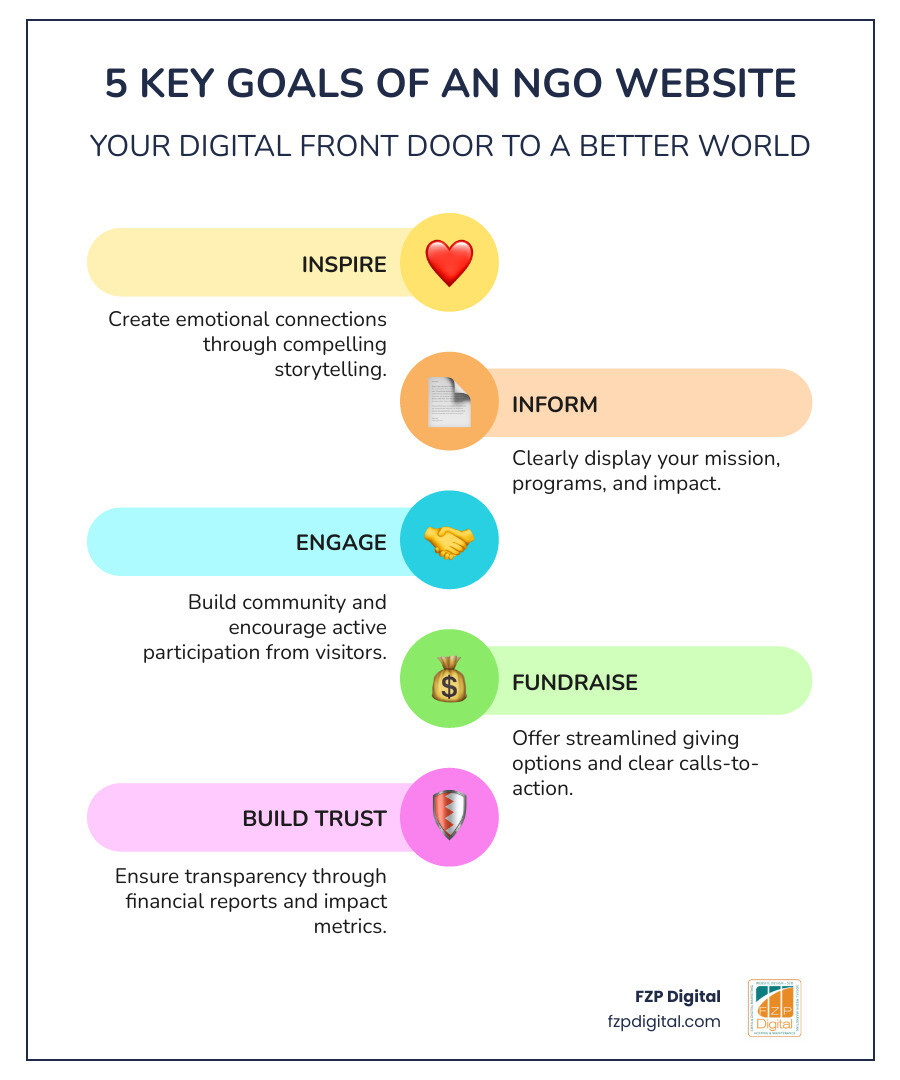
Thinking about what makes an NGO website truly connect with people? It’s not just about looking pretty; it’s about telling your story in a way that moves hearts and minds. We believe that your digital presence should be a true reflection of the incredible work you do. It’s about creating an emotional connection that inspires action. Let’s break down the core ingredients that will make your mission shine online.
At FZP Digital, we’ve seen how powerful a well-crafted digital narrative can be. It’s about giving your audience a clear understanding of your “why” and showing them the tangible difference their support can make. For more inspiration, take a look at some of these fantastic examples: Design for a Cause: Top Nonprofit Websites to Inspire Your Own.
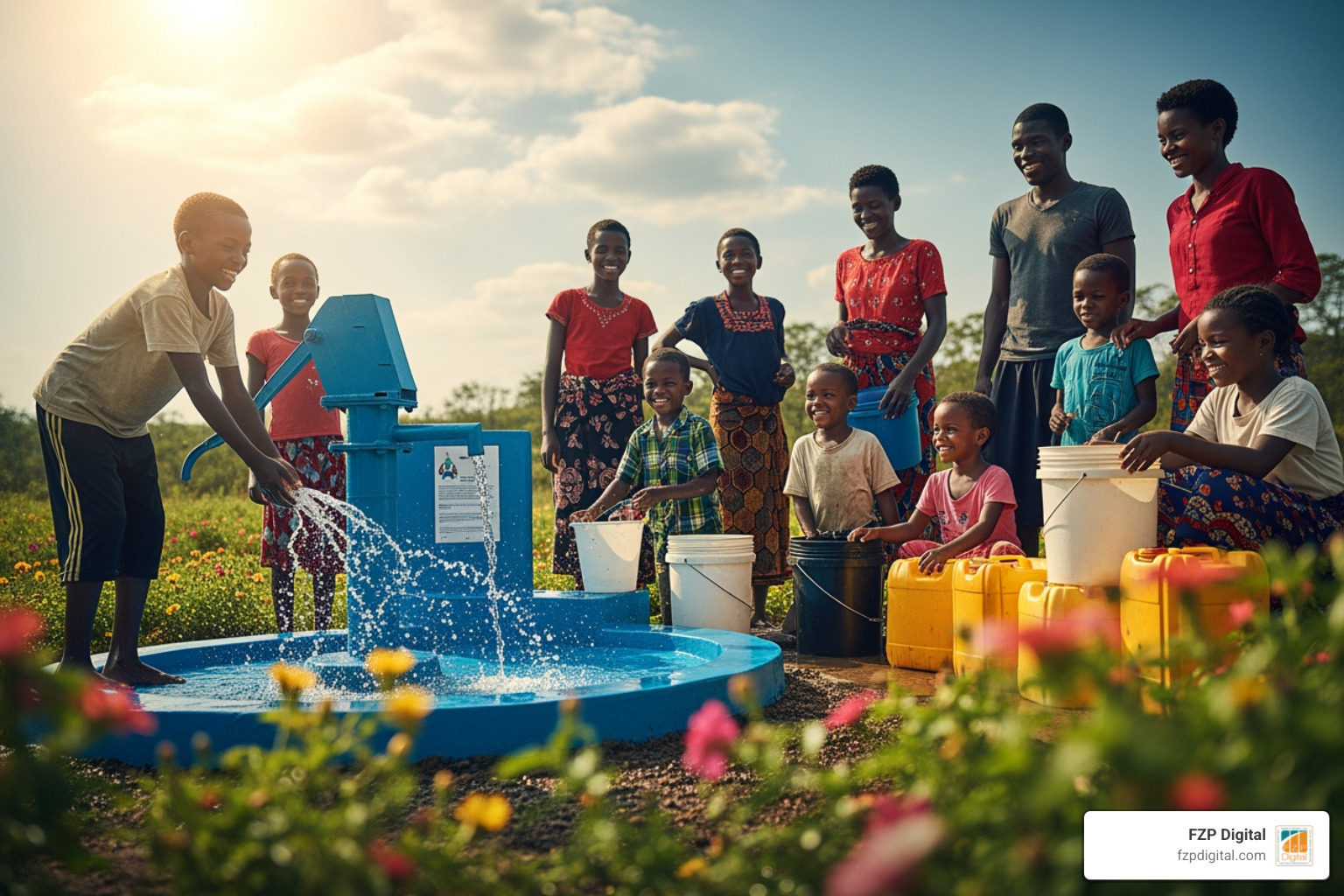
Communicating Your Mission and Impact
Your ‘Why’ is the beating heart of your organization. It’s what drives your team, inspires your volunteers, and motivates your donors. Your website needs to articulate this ‘why’ with crystal clarity, right from the moment a visitor lands on your homepage. It’s not enough to just state your mission; you need to show it in action.
One of the most effective ways to do this is through impact statistics. For example, charity: water proudly displays that they’ve funded 197,000 water projects in 29 countries, serving over 20 million people. These numbers aren’t just figures; they represent real lives changed, and they immediately communicate the scale of their impact.
But numbers alone don’t always tell the full story. That’s where beneficiary stories come in. These personal narratives put a human face on your work, allowing visitors to connect on a deeper, emotional level. Alex’s Lemonade Stand Foundation, for instance, features a ‘Featured Hero’ on their homepage, highlighting a beneficiary with a link to their inspiring story. This makes the cause tangible and relatable.
Transparency is also absolutely crucial for building trust. Organizations like The END Fund place a major focus on impact, featuring plenty of statistics related to their cause and programs. Similarly, CARE’s website includes an infographic in the footer showing how much of their expenses go directly to program services. When you clearly demonstrate where donations go and the difference they make, you build credibility and foster long-term support. Think about providing annual reports, financial statements, and clear impact reports directly on your site. This shows accountability and reassures potential donors that their contributions are being used wisely.
Leveraging Visuals and Storytelling to Engage
We often say a picture is worth a thousand words, and on an NGO website, it’s worth a thousand emotions. Strong visuals and compelling storytelling are your secret weapons for creating an emotional connection with your audience. Avoid generic stock photos whenever possible. Instead, use authentic images and videos that show the real people, places, and activities involved in your mission.
The Conservation Fund, for example, uses engaging video stories to help users visualize what their donations go toward. This allows visitors to see the impact firsthand, making it much more powerful than just reading text. Similarly, The Nature Conservancy uses inspiring imagery of animals and beautiful landscapes to emotionally connect users with nature, illustrating the very essence of what they’re fighting to protect. And The Salvation Army USA website includes powerful films that allow site visitors to hear directly from people whose lives are changed by their work. These kinds of visuals create a profound sense of empathy and urgency.
Think about how you can use photos and videos not just to inform, but to inspire. Show the smiles, the progress, the hope. These visuals, combined with heartfelt stories, can transform a casual visitor into a passionate advocate. It’s about crafting a narrative that draws people in and makes them feel like they’re a part of something bigger.
At FZP Digital, we understand the power of visual storytelling. We work with our clients to capture and present their stories in a way that resonates deeply with their audience. To understand more about our approach, you can explore More about our design process.
Designing for Everyone: UX, Accessibility, and Mobile-First
Ever landed on a website that was just a pain to use? Maybe the navigation was confusing, the text was too small, or it just didn’t work right on your phone? You don’t want that for your supporters. Creating a smooth, inclusive, and mobile-friendly experience is non-negotiable. It shows you care about every person who wants to connect with your cause. After all, if people can’t easily find information or donate, your mission is hindered.
At FZP Digital, we prioritize user experience (UX) and accessibility because we believe your message should be heard by everyone. This means crafting simple navigation that makes sense, a logical structure that guides visitors effortlessly, and adhering to important guidelines like the Web Content Accessibility Guidelines (WCAG). Did you know that legal regulations, like The Americans with Disabilities Act (ADA), often require websites to be accessible to all visitors? It’s not just good practice; it’s often a legal requirement.
And let’s not forget the “mobile-first” approach. With 313% more visits on mobile compared to desktop in 2023, your website absolutely must look and function perfectly on smartphones and tablets. It’s no longer an option; it’s a necessity.
Best Practices for User Experience (UX) and Accessibility
When we talk about UX, we’re talking about making your website intuitive and enjoyable to use. This includes intuitive menus that guide visitors to exactly what they’re looking for, and clear calls-to-action (CTAs) that leave no doubt about what you want them to do next (like “Donate Now” or “Volunteer Here”).
Accessibility goes a step further, ensuring that people with disabilities can also access and interact with your content. This means using high-contrast colors for readability, including alt text for all images so screen readers can describe them, and ensuring your site can be steerd using just a keyboard. The California Wellness Foundation’s website, for example, is Level AA compliant with the Web Content Accessibility Guidelines (WCAG), demonstrating a commitment to inclusivity. The Boys & Girls Clubs of America website even provides an accessibility menu that allows users to adjust contrast, highlight links, increase text spacing, and increase font size. These features make a huge difference in opening your site up to a wider audience.
We’re passionate about making websites accessible to all. It’s about ensuring your message reaches everyone who needs to hear it. Check out our insights on Best Practices for Nonprofit Website Design for more details.
Key Considerations for a Mobile-Friendly NGO Website Design
As we mentioned, the stats don’t lie: mobile is king! In 2023, there were 313% more visits on mobile compared to desktop. This isn’t just a trend; it’s how people access information today. So, what does a truly mobile-friendly ngo website design entail?
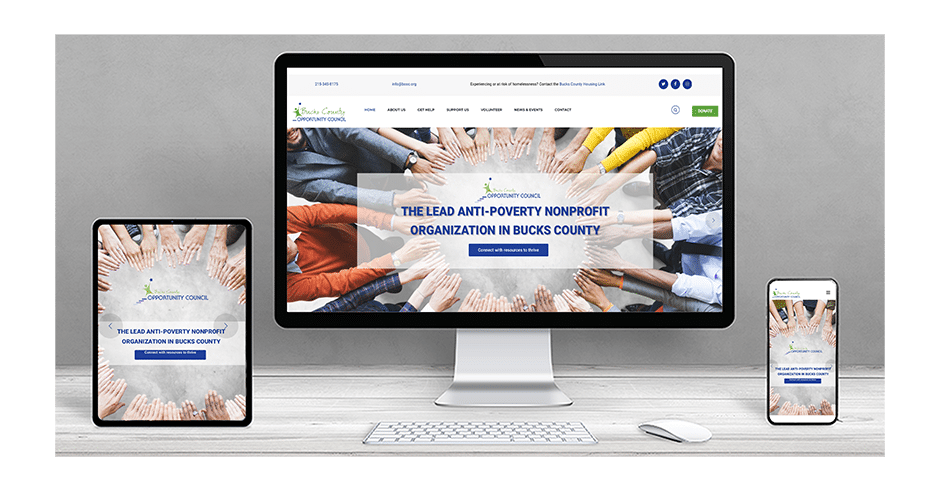
First and foremost, it means responsive design. Your website needs to automatically adjust and look great on any screen size, from a large monitor to the smallest smartphone. But it goes beyond just fitting the screen. We’re talking about fast load times, because mobile users are impatient! Simplified forms that are easy to fill out with a thumb, and “thumb-friendly” navigation that places important buttons and menus within easy reach.
Think about how people use their phones – often one-handed, on the go. Your website needs to anticipate this behavior. This means larger touch targets for buttons, clear and concise content, and eliminating any elements that might slow down the experience. When you design with mobile in mind, you’re not just accommodating a preference; you’re meeting your audience where they are. You can dive deeper into this topic with our Nonprofit Website Design Complete Guide.
Turning Visitors into Supporters: Your Guide to Effective NGO Website Design
Okay, so you’ve captured their attention and hearts with a compelling story and an accessible, mobile-friendly site. Now what? This is where your website turns from a brochure into a powerful engine for change. Your goal is to convert that interest into action, whether it’s a donation, a volunteer sign-up, or an email subscription. We’ll cover how to make donating a breeze, get found on Google, and build a thriving community that supports your mission.
At FZP Digital, we understand that an effective ngo website design isn’t just about aesthetics; it’s about functionality that drives your mission forward. This includes a streamlined donation process, robust Search Engine Optimization (SEO) to increase visibility, strong social media integration, and building accountability with your audience.
Creating a Streamlined and Effective Donation Page
Your donation page is arguably one of the most critical parts of your website. It’s the moment of truth where intent turns into impact. So, it absolutely needs to be easy, inspiring, and trustworthy. As Bloomerang puts it, A convenient, inspirational donation page is the centerpiece of your nonprofit’s website.
What makes a great donation page?
- Minimal Form Fields: Don’t ask for unnecessary information. Every extra field is a potential drop-off point. Keep it concise.
- Recurring Donation Options: Encourage monthly or annual giving. This provides a stable, predictable income stream for your organization. The David Suzuki Foundation, for example, provides flexible ways to give, including monthly donations. The Humane League offers one-off and monthly donations directly from their homepage hero.
- Multiple Payment Methods: Offer options like credit card, PayPal, Apple Pay, Google Pay, or even cryptocurrency, if applicable. Make it as convenient as possible for donors.
- Security Assurances: Clearly display security badges and explain how donor information is protected. Trust is paramount.
- Impact Statements: Remind donors of the difference their contribution will make. Show them what their $25, $50, or $100 can achieve.
- Clear CTAs: Organizations like Mercy Corps feature strategically placed donation buttons, often highlighted in a contrasting color, making them hard to miss. Habitat for Humanity has multiple ‘Donate Now’ CTAs on their homepage, ensuring opportunities to give are always present. The International OCD Foundation (IOCDF) even uses three different colors to highlight CTAs for primary user actions.
The goal is to remove all friction from the giving process. Make it quick, clear, and compelling.
Optimizing Your Website for Search Engines (SEO)
You can have the most beautiful and impactful website in the world, but if people can’t find it, its potential is limited. That’s where Search Engine Optimization (SEO) comes in. SEO is about making your website visible to people who are actively searching for causes like yours on Google and other search engines.
It starts with thorough keyword research. What terms are potential donors, volunteers, or beneficiaries typing into Google? Understanding this helps you create content that answers their questions and ranks higher in search results. Google’s own E-E-A-T guidelines explained (Experience, Expertise, Authoritativeness, Trustworthiness) are crucial here. As an NGO, you naturally possess expertise and trustworthiness; your website needs to reflect that to search engines.
Local SEO is particularly important for organizations serving specific communities, like those in Richboro, Newtown, or Philadelphia. Ensuring your Google Business Profile is optimized and your website includes location-specific content can significantly boost your visibility to local supporters.
The impact of good SEO can be significant. After a redesign, the American Civil Liberties Union (ACLU) website saw a 24% increase in clicks from Google search results and a 17% increase in users coming from organic search in just one month. That’s a huge boost in visibility and engagement, all from making their site more findable.
SEO isn’t a one-time fix; it’s an ongoing process. Regular maintenance is essential to keep your rankings strong. This is where having an expert guide comes in handy. At FZP Digital, we specialize in increasing organic search rankings for nonprofits, ensuring your crucial message reaches the widest possible audience. We help you steer the complexities of search algorithms so you can focus on your mission. You can explore more examples and strategies on Nonprofit Website Designs.
Your Blueprint for Success: The Process and Finding a Partner
Feeling inspired but a little overwhelmed? Don’t worry, that’s totally normal! Building a great website is a journey, not a sprint. It involves careful planning, creative design, robust development, and ongoing refinement. But with the right approach and the right partner, it’s a journey that can lead to incredible results for your mission.
Let’s walk through the key steps in a successful ngo website design process and talk about how finding the right partner can make all the difference.
The web design process, from strategy to launch, typically involves these critical phases:
- Strategy & Findy: This is where we define your goals, understand your audience, analyze competitors, and map out the unique value proposition of your organization. It’s the foundation for everything that follows.
- Design & UX (User Experience): Here, we translate strategy into visual and interactive concepts. We create wireframes (the blueprint of your site), mockups, and prototypes, focusing on intuitive navigation and a compelling visual experience.
- Development: This is where the code comes to life! We build out your website, integrating all the features and functionalities discussed in the design phase, often leveraging powerful and flexible platforms like WordPress.
- Launch: After thorough testing and quality assurance, your new website goes live! This is an exciting milestone, but it’s just the beginning.
- Ongoing Support & Optimization: A website is never truly “finished.” We believe in continuous improvement, monitoring performance, making updates, and refining strategies to ensure your site remains effective and up-to-date.
What to Look for in a Web Design Partner
Choosing the right web design agency is one of the most important decisions you’ll make for your ngo website design project. It’s not just about technical skill; it’s about finding a team that truly understands and resonates with your cause.
Here’s what we believe makes a great partner:
- Shared Values: Look for an agency that shows genuine interest in your mission and understands the unique constraints and goals of the nonprofit sector. They should be as passionate about your cause as you are.
- Proven Track Record: Review their portfolio, especially for other nonprofit clients. Ask for case studies and testimonials. Have they delivered tangible results for similar organizations?
- Collaborative Process: A great partner will involve you every step of the way. They’ll listen to your input, provide expert guidance, and ensure clear communication. Our “Develop . Design . Deliver” process at FZP Digital is built on this collaborative foundation.
- Technical Expertise: For many nonprofits, a flexible Content Management System (CMS) like WordPress is ideal due to its user-friendliness and extensive plugin library. Look for a partner with deep expertise in WordPress development, as we have at FZP Digital. They should be able to customize it to your specific needs, not just use off-the-shelf templates. You can learn more about this in The Nonprofit’s Guide to WordPress Development: From Zero to Hero.
- Understanding of SEO: Your partner should be able to build your site with SEO best practices in mind from day one, helping you get found by the right people.
- Local Presence: For organizations in Richboro, Newtown, or Philadelphia, working with a local agency like FZP Digital means we’re easily accessible for in-person meetings, truly understanding your local community and target audience.
Impactful NGO Website Design Examples
Let’s look at some organizations that are truly nailing their ngo website design and see what we can learn from them. These examples showcase how thoughtful design can amplify impact, engage audiences, and drive action.
| Feature / Organization | charity: water | Doctors Without Borders | World Wildlife Fund (WWF) |
|---|---|---|---|
| Mission Clarity | Excellent: “Bring clean and safe water to every person on the planet.” Clear impact stats on homepage. | Excellent: “Delivering medical aid where it’s needed most.” Up-to-date news and events. | Excellent: “Protect the future of nature.” Inspiring imagery, clear focus areas. |
| Donation UX | Exceptional: 100% to projects, “Get proof,” various giving options, easy process. | Very Good: Prominent donate button, clear calls to action. | Very Good: Variety of ways to give, interactive eCards. |
| Storytelling | Compelling: Videos, photos, impact stories, specific project updates. | Powerful: Up-to-date news, field stories, direct testimonials. | Inspiring: Beautiful visuals of nature and wildlife, educational resources. |
| Transparency | Outstanding: 100% model, GPS proof, public financial reports. | Strong: Commitment to independence and impartiality, news updates. | Good: Focus on conservation goals and progress. |
| Accessibility | Good: Responsive, clear layout. | Good: Responsive, clear navigation. | Good: Responsive, resources for teachers. |
What can we learn from these examples?
- charity: water: Their website is a masterclass in transparency and impact communication. They don’t just ask for donations; they promise proof and show exactly where every dollar goes. This builds immense trust and makes giving feel incredibly rewarding. They’ve funded 197,000 water projects in 29 countries, serving over 20 million people. This specific, verifiable impact is a huge motivator.
- Doctors Without Borders: They keep visitors informed with up-to-date news and events from their front lines. Their site communicates urgency and the direct human impact of their work through powerful, often striking, imagery and stories of their teams in action.
- World Wildlife Fund (WWF): WWF uses stunning, inspiring imagery of animals and beautiful landscapes to emotionally connect users with nature, which is central to their mission. They also offer a variety of resources for teachers, expanding their reach and educational impact. They even feature interactive eCards that supporters can send!
Beyond these giants, there are other fantastic examples:
- Girls Who Code: They seek to close the gender gap in the technology industry. Their website uses vibrant colors and clear calls to action, often tying donation amounts to specific impacts (e.g., “$50 funds a girl’s coding education for a year”). This makes giving concrete and motivating. They’ve served 450,000 girls through their programs.
- The Malala Fund: Their homepage features an engaging, eye-catching video and compelling statistics about global education and gender inequality. Their sleek design, often with pops of bright color, helps convey their modern and impactful approach to empowering girls through education.
- Wounded Warriors Family Support (WWFS): This veteran-run charity prominently features awards, recognitions, and partnerships, building immediate credibility. They also offer unique donor engagement opportunities to boost retention, like hosting races or golf events, and eCards that people can send to veterans or scholarship recipients.
These examples show that whether you’re a global organization or a local charity in Philadelphia, Richboro, or Newtown, a well-designed website can be your most powerful asset. It’s about being clear, compelling, and utterly trustworthy.
Conclusion: Let’s Build Something Amazing Together
Whew, that was a lot, right? But hopefully, you’re feeling excited and empowered. A stunning, effective ngo website design is completely within your reach. It’s your most powerful tool for sharing your mission, growing your community, and making a real, tangible impact. It all starts with a clear vision and a solid plan.
Your website isn’t just an expense; it’s an investment in your future, a digital hub that works tirelessly for your cause. It builds credibility, fosters trust, and provides a platform for people to connect with your mission and contribute to a better world.
If you’re ready to take that next step and partner with a team that’s passionate about helping nonprofits succeed, we’d love to chat. At FZP Digital, we live and breathe this stuff, and we’re here to help you bring your vision to life. We understand the unique needs of nonprofits in areas like Richboro, Newtown, and Philadelphia, and we’re committed to delivering premium responsive WordPress website design that gets results.
Let’s transform your digital presence into a powerful force for good. Let’s discuss your new website project.