

Your Nonprofit’s Website Is Either Working for Your Mission — or Against It
Nonprofit website design companies come in all shapes and sizes, and finding the right one can feel overwhelming. The landscape includes everything from budget-friendly SaaS platforms and specialized WordPress firms to full-service agencies that handle comprehensive redesigns, branding, and SEO. The key is finding a partner that aligns with your specific goals and understands the unique challenges of the nonprofit sector.
Your nonprofit’s website isn’t just a digital business card. It’s often the first impression a potential donor, volunteer, or partner gets of your organization — and it either builds trust or quietly erodes it.
Here’s something worth knowing: 44% of nonprofit site visits come from organic search, not paid ads. That means the design, content, and SEO of your site are doing the heavy lifting, day in and day out, whether you’re paying attention or not.
And yet, so many nonprofits are stuck with outdated sites that are hard to navigate, hard to update, and definitely not optimized to convert visitors into donors or volunteers.
That’s a real problem — and the good news is it’s a solvable one.
I’m Fred Z. Poritsky, founder of FZP Digital, and I spent decades in nonprofit financial management before launching this agency — which means I understand the budget pressures, mission-driven priorities, and unique needs that make choosing among nonprofit website design companies such a consequential decision. That background shapes everything about how we approach nonprofit web design, and I’m here to cut through the noise so you can find the right partner for your cause.
Know your nonprofit website design companies terms:
- best practices for nonprofit website design
- WordPress development for nonprofits
- digital marketing for nonprofits
What Makes a Nonprofit Website Truly Effective?
When you’re looking at nonprofit website design companies, it’s easy to get distracted by flashy graphics. But a pretty site that doesn’t drive donations or sign up volunteers is just an expensive digital brochure. To truly move the needle, your website needs to be a functional tool that serves your mission 24/7.
The Power of Impact Storytelling
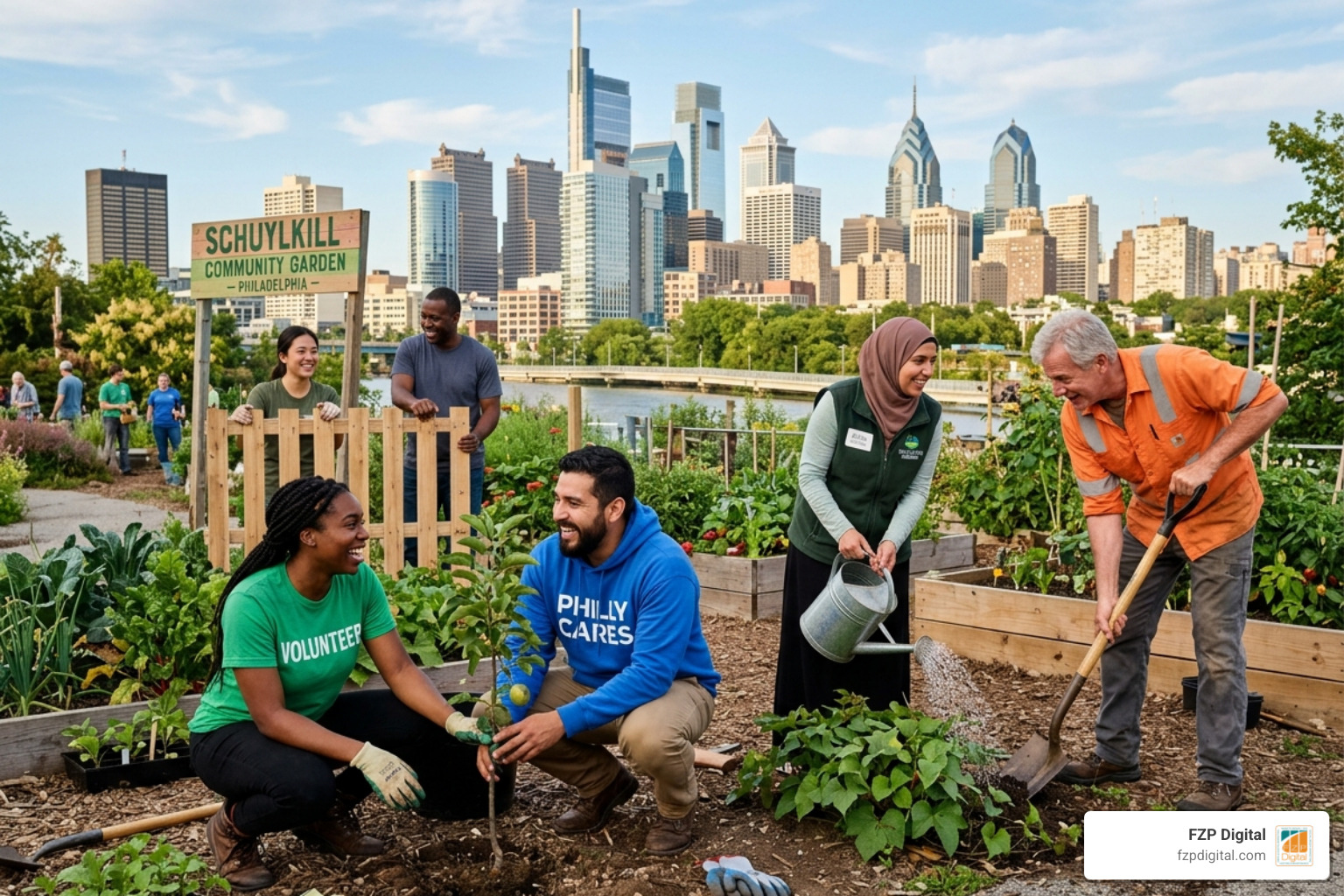
People don’t give to organizations; they give to people and causes. Your website must clearly communicate “who you are, what you do, and why it matters.” This is where “purpose-driven design” comes in. By using rich layouts, custom graphics, and ambient video, you can build enthusiasm and tell your story in a way that resonates emotionally. If you’re looking for inspiration on how to frame your mission, check out this nonprofit website design complete guide.
Essential Tools: From Donations to CRM
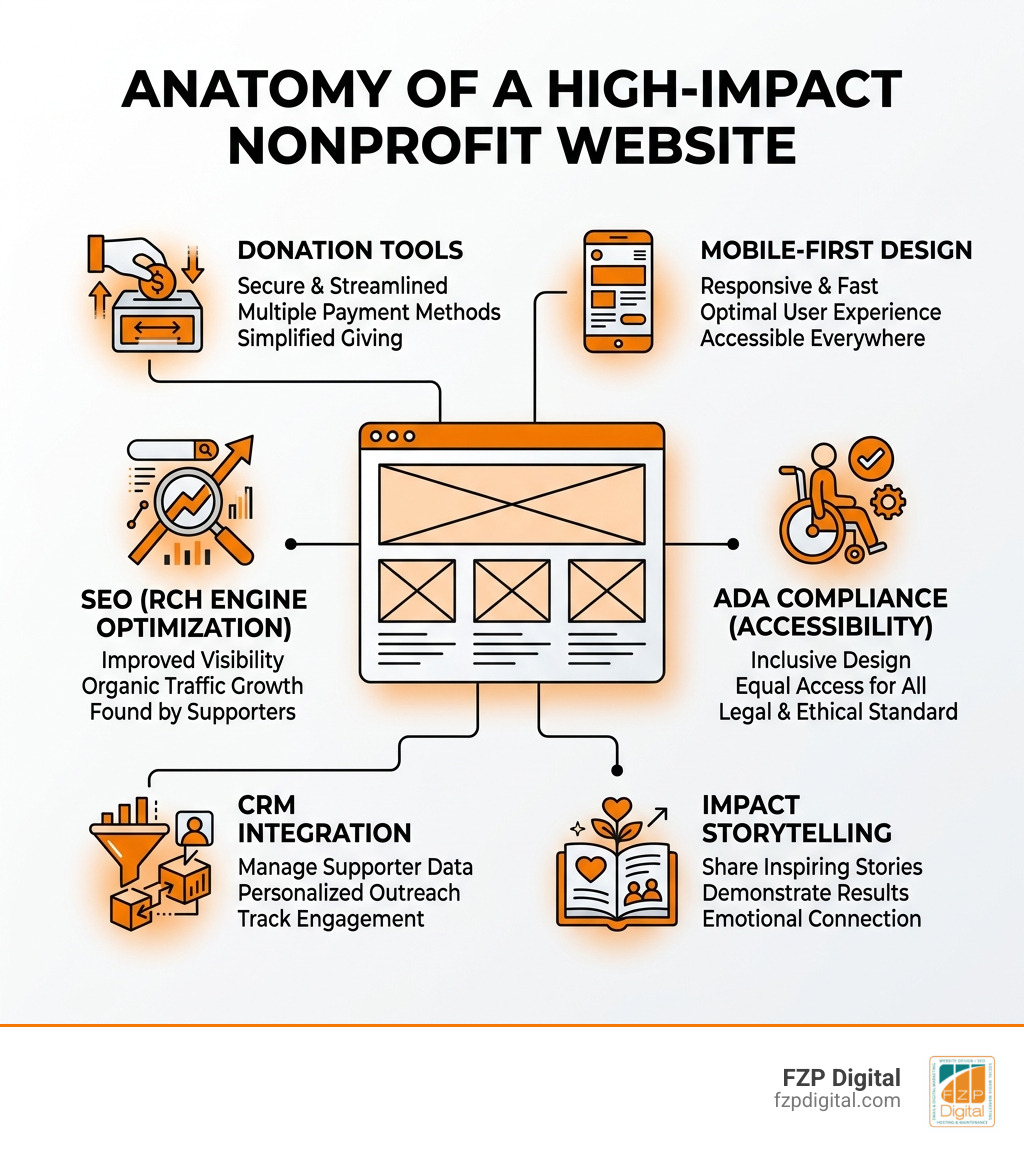
A high-performing site must have integrated tools that make life easier for both you and your supporters. This includes:
- Streamlined Donation Tools: Did you know that 63% of donors prefer to give via credit/debit card? Your site needs to handle these transactions smoothly, offering recurring giving options and even corporate gift matching.
- Volunteer Portals: Make it easy for people to find opportunities and sign up without a dozen back-and-forth emails.
- CRM Integration: Whether you use Salesforce, EveryAction, or Bloomerang, your website should “talk” to your database. This ensures supporter data is synced automatically, saving your staff hours of manual entry.
User Experience and Mobile-First Design
In 2025, a “mobile-friendly” site is no longer optional—it’s the baseline. According to charity website design best practices 2025, a mobile-first approach ensures that your site looks and functions perfectly on a smartphone, which is where many of your supporters will first encounter you. Navigation should be intuitive, allowing users to find what they need in two clicks or less.
Navigating the World of Nonprofit Website Design Companies
Choosing between different nonprofit website design companies is a bit like choosing a car; you need to know if you’re looking for a reliable daily driver or a custom-built machine. The approach varies significantly depending on the type of firm you partner with.
Different Strokes for Different Folks
- SaaS Platforms: Certain providers offer a subscription-based model. This is great for smaller nonprofits who need a professional site quickly (often within 8 weeks) without a massive upfront cost. They provide a “magical website experience” where AI tools can even help you write your pages.
- Specialized Firms: These agencies live and breathe the nonprofit world. They understand things like “donor journeys” and “advocacy funnels.” They often use a “human-first” approach, conducting deep research into your specific audience before a single pixel is moved.
- Full-Service Agencies: This is where we at FZP Digital fit in. We don’t just “build a site”; we look at your entire digital presence. From your logo to your organic search rankings, we use a collaborative “Develop . Design . Deliver” process. We believe your website should be the core of your digital experience, as explained in our non-profit site design guide.
The Collaborative Approach
The best nonprofit website design companies won’t just take your order and disappear for three months. They’ll host discovery workshops to outline your site’s architecture and content model. They’ll work with you to ensure the nonprofit website designs reflect your community’s spirit, whether that’s playful and energetic or serious and authoritative.
Choosing the Right Nonprofit Website Design Companies for Your Budget
Let’s talk about the elephant in the room: cost. Nonprofit budgets are tight, and you need to maximize every dollar.
- Template-Based Solutions: These can range from $99 to $300 a month. They are excellent for organizations that need a solid, secure site without custom bells and whistles.
- Custom Builds: For larger organizations with complex needs—like custom grant databases or interactive maps—budgets can range from $40,000 to $100,000+. These projects take longer (4 to 8 months) but result in a “web platform” built to support your needs for years.
- The Middle Ground: Many specialized firms offer project-based pricing that falls between these extremes.
When evaluating costs, don’t just look at the “build fee.” Consider the long-term support. Does the company offer a “Sustainability Plan”? Will they help you with hosting and security updates? Following best practices for nonprofit website design means thinking about the total cost of ownership over three to five years, not just the launch date.
Maximizing Your Mission with SEO and Digital Strategy
If a tree falls in a forest and no one is there to hear it, does it make a sound? Similarly, if you have a beautiful website but no one can find it, is it actually helping your mission? This is where SEO (Search Engine Optimization) and digital strategy become your best friends.
The Magic of Organic Traffic
Stat from earlier? 44% of site visits come from organic search. This means that when someone types “how to help homelessness in Philadelphia” into Google, you want your organization to be the first thing they see. High-quality nonprofit website design companies will perform keyword research to align your content with what people are actually searching for.
Content is King (and Your Best Fundraiser)
A well-maintained site can become your top fundraiser. By regularly updating your content with impact stories and news, you signal to search engines that your site is active. We often recommend a robust content strategy that includes:
- Keyword-Optimized Blog Posts: To attract new visitors.
- Skimmable Pages: Using proper headings and subheadings so busy donors can get the gist quickly.
- Technical SEO: Ensuring your site loads fast and has clean code—Google loves speed!
Leveraging the Google Ad Grant
Many nonprofits aren’t aware that they can qualify for $10,000 per month in free search advertising through the Google Ad Grant. A good design partner will help you set this up and manage it, driving even more traffic to your beautifully designed pages. If you’re using WordPress, our nonprofits guide to wordpress development from zero to hero covers how to integrate these marketing tools seamlessly.
How Top Nonprofit Website Design Companies Boost Donor Engagement
Boosting engagement isn’t just about getting people to the site; it’s about what they do once they arrive.
- Trust Building: Use “social proof” like testimonials, partner logos, and bold statistic bars to show that you are a legitimate, impactful organization.
- Clear Calls-to-Action (CTAs): Don’t make people hunt for the “Donate” button. It should be prominent, ideally in a contrasting color in your navigation bar.
- User-Friendly Forms: Every extra field on a donation form reduces the chance someone will finish it. Keep it simple!
- Recurring Giving: Encourage supporters to give monthly. Even a small $10 monthly gift provides the predictable revenue that nonprofits crave.
For some visual inspiration, take a look at these top nonprofit websites to inspire your own. Seeing what works for others can help you visualize the stunning NGO website design your organization deserves.
Ensuring Long-Term Success: Support, Security, and Accessibility
A website launch is a beginning, not an end. The digital world moves fast, and your site needs to keep up.
Accessibility is a Must
Your mission is likely about inclusion, and your website should reflect that. ADA (Americans with Disabilities Act) compliance ensures that people of all ability levels can use your site. This includes things like high-contrast colors for those with visual impairments and technical settings that allow screen readers to navigate your pages. It’s not just the right thing to do; it’s a legal necessity in many cases.
Security and Maintenance
Nonprofits are often targets for hackers because they handle sensitive donor data. You need a partner who provides:
- Regular Security Updates: Especially if you’re using WordPress or Drupal.
- Daily Backups: So you never lose your data.
- GDPR Compliance: Essential if you have supporters in Europe or just want to follow the highest data privacy standards.
Training and Empowerment
There’s nothing more frustrating than having a website you can’t update yourself. We believe in empowering our clients. When we launch a nonprofit website with WordPress, we provide comprehensive CMS training. You should be able to add a new blog post, update an event, or change a photo without having to call a developer and wait three days.
When looking at a go-to list for impactful websites, always ask about their post-launch support. Do they offer a help desk? Can they handle small 30-minute task requests? These details make a huge difference in your day-to-day stress levels.
Frequently Asked Questions about Nonprofit Web Design
What are the essential features every nonprofit website needs?
Every nonprofit site needs a clear mission statement on the homepage, a prominent “Donate” button, an “About Us” section that builds trust, impact stories (with photos!), and a way for people to sign up for your newsletter or volunteer. Behind the scenes, it needs to be mobile-responsive, fast-loading, and secure.
How much should a nonprofit expect to pay for a professional website?
As we’ve seen, it varies wildly. A managed SaaS platform might cost $1,200 a year plus a small setup fee. A custom-designed site from a specialized agency typically starts around $15,000 to $20,000 and can go much higher for enterprise-level organizations. At FZP Digital, we work with you to find a scope that fits your budget while still delivering a premium, responsive experience.
Why is SEO important for nonprofit organizations?
SEO is your secret weapon for sustainability. Since nearly half of all nonprofit traffic comes from people searching on Google, being visible there allows you to reach new donors and volunteers without spending a dime on advertising. It’s the most cost-effective way to grow your reach over the long term.
Conclusion
Finding the right partner among the many nonprofit website design companies out there is about finding a team that truly “gets” your cause. You need someone who understands that every dollar you spend on your website is a dollar you’re investing in your mission’s future.
At FZP Digital, we take that responsibility seriously. Whether you’re a local grassroots organization in Bucks County or a larger nonprofit in the heart of Philadelphia, we bring a collaborative spirit to every project. We don’t just want to build you a website; we want to build you a tool that helps you change the world.
From premium WordPress design to strategic SEO that gets you noticed, we’re here to help you navigate the digital landscape. If you’re looking for non-profit organization examples of what a great digital presence looks like, or if you’re ready to start your own journey, we’d love to chat.
Ready to amplify your impact? Talk to a specialist about your nonprofit website today and let’s build something amazing together.