

Template Triumph: The Ultimate Guide to Choosing Your eCommerce Design

Why Choosing the Best eCommerce Template Can Make or Break Your Online Store
Finding the best eCommerce template for your online store is one of the most important decisions you’ll make as a business owner — and it’s not just about looks.
Quick Answer: Best eCommerce Templates in 2026
| Platform | Top Template | Price | Best For |
|---|---|---|---|
| Shopify | Xtra | $100 | All industries, high conversion |
| Shopify | Timeless | $380 | Large catalogs, premium brands |
| Shopify | Refresh | Free | Startups, food & jewelry |
| Webflow | Robotflow | $169 | Visual brands, no-code users |
| Framer | Kanva | $99 | Conversion-focused storefronts |
| Next.js | Bazaar | Paid | Developers, multi-vendor stores |
| Wix | Various | Free | Beginners, niche small stores |
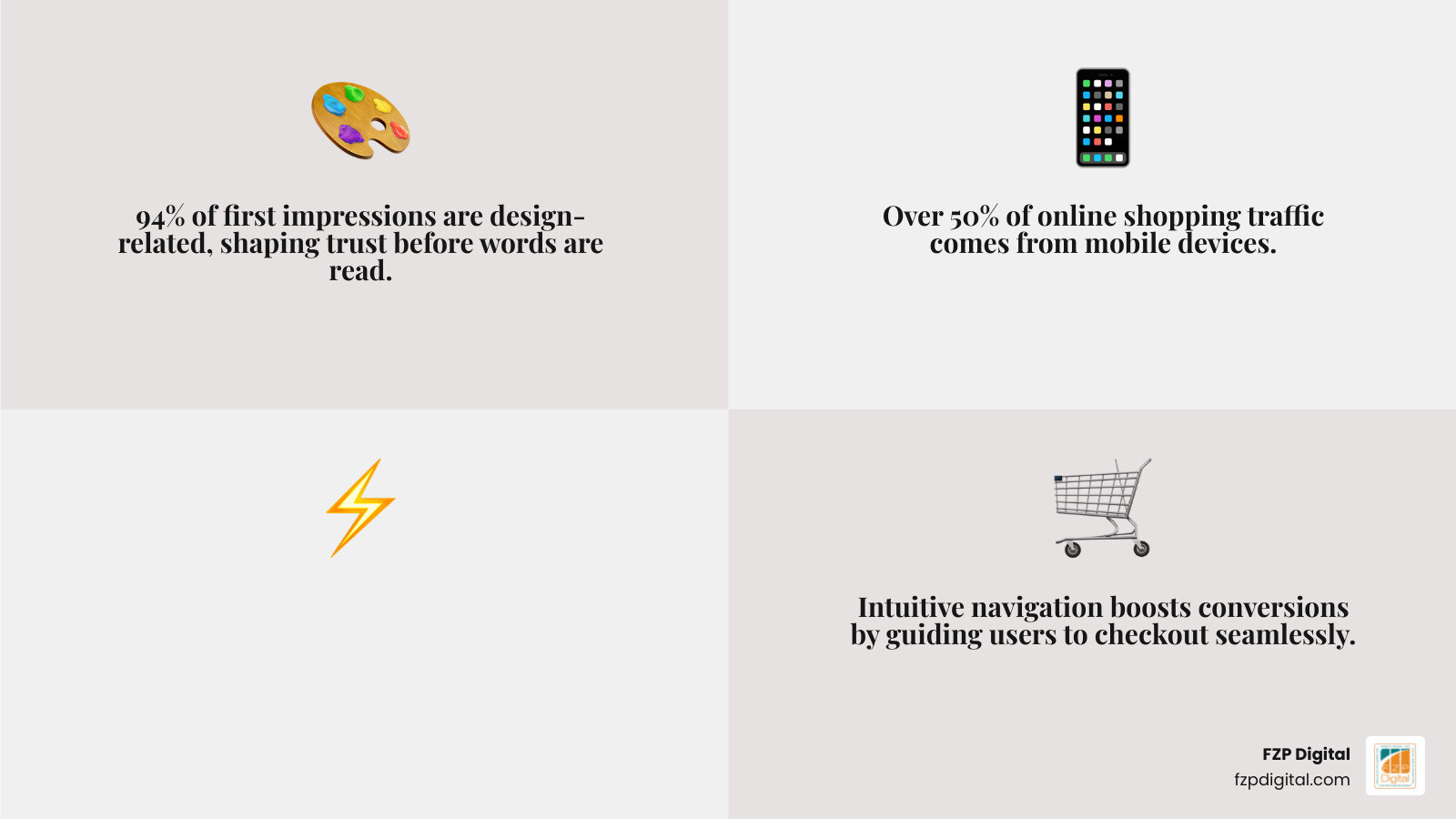
Here’s the thing: 94% of first impressions on a website are design-related. That means before a visitor reads a single word of your product description, they’ve already formed an opinion about whether they trust you enough to buy.
And if your site doesn’t immediately communicate value? Research shows 79% of visitors will simply leave — often never to return.
On top of that, more than half of all online shopping traffic now comes from mobile devices. A template that looks great on a desktop but fumbles on a smartphone is quietly costing you sales every single day.
The right template does more than look good. It:
- Loads fast enough to keep impatient shoppers engaged
- Guides visitors smoothly from product discovery to checkout
- Builds trust through clear navigation, social proof, and secure preparedness flows
- Works beautifully on every screen size
The wrong template? It creates friction, confusion, and abandoned carts.
Whether you’re running a boutique clothing shop in Philadelphia, selling handmade goods online, or launching a digital product business, the template you choose sets the foundation for everything that follows.
I’m Fred Z. Poritsky, founder of FZP Digital, and my background spans decades of financial management, nonprofit leadership, and digital marketing — giving me a uniquely practical perspective on what actually makes the best eCommerce template work for real businesses, not just design portfolios. Let’s dig into what separates the winners from the also-rans.
Best ecommerce template terms to learn:
What Makes the Best eCommerce Template in 2026?
When we talk about the best ecommerce template in 2026, we aren’t just looking for a pretty face. We’re looking for a high-performance engine. You see, a website’s design is responsible for 75% of how users judge a company’s credibility. If your site looks dated or clunky, customers will assume your products or services are, too.
Conversion Focus and Mobile Responsiveness
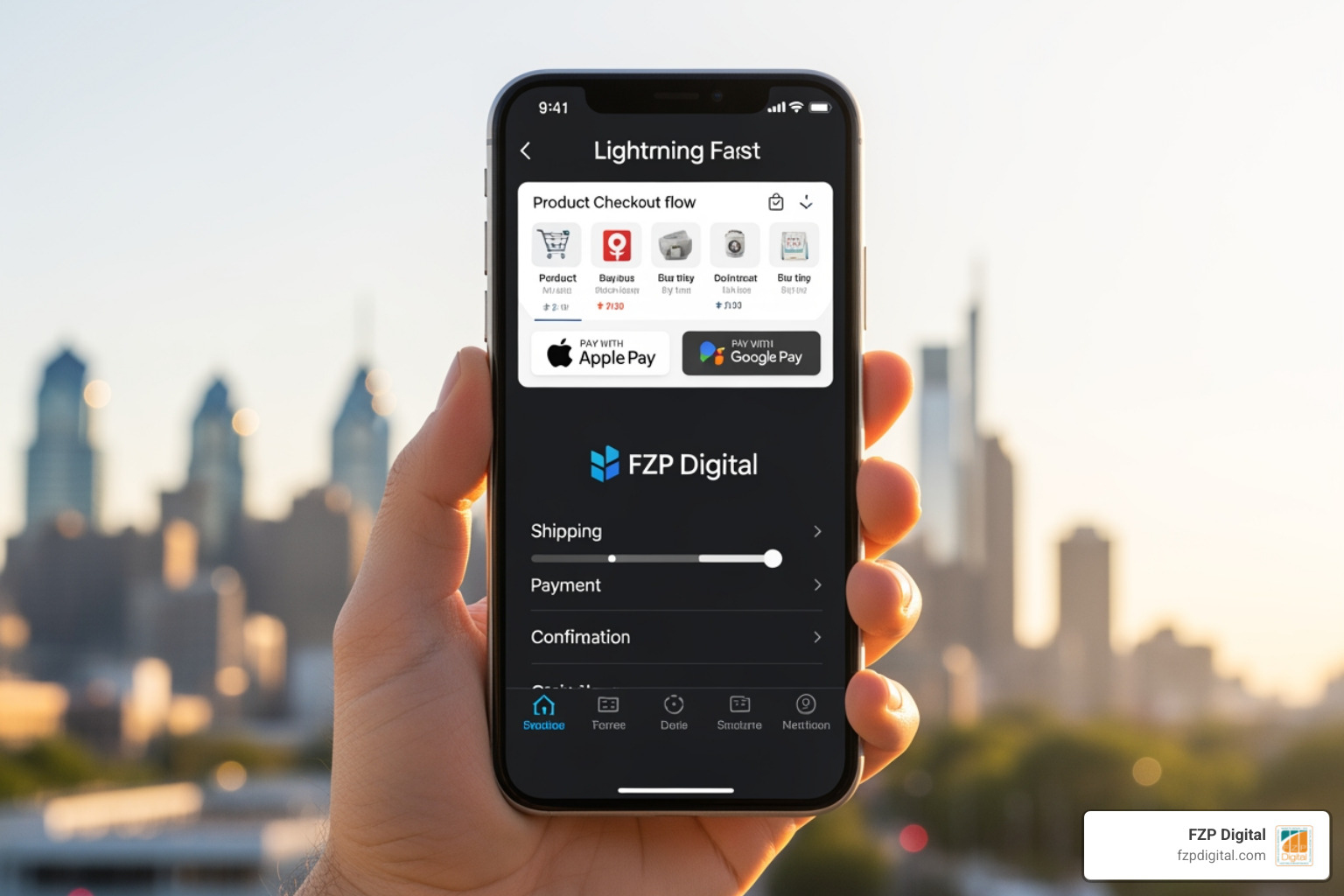
In 2026, mobile shopping isn’t just a trend; it’s the standard. With over 187 million mobile shoppers in the US alone, your store must be a responsive ecommerce website. This means more than just shrinking images to fit a phone screen. It means having “thumb-friendly” buttons, slide-out carts, and a checkout process that doesn’t require a magnifying glass.
Speed and Core Web Vitals
Google is stricter than ever about speed. If your template is bogged down with “code bloat”—excessive scripts and features you don’t actually use—your search rankings will suffer. The best templates today focus on Core Web Vitals, ensuring that the “Largest Contentful Paint” (basically how fast your main content appears) happens in a blink. If a new feature slows your site down by even 0.2 seconds, it might not be worth it!
SEO Optimization and Schema Markup
Many business owners mistakenly assume their platform handles all the SEO. But as our friends in the industry often say, store themes are rarely SEO-friendly by default. A truly great template uses proper semantic heading structures (H1 for titles, H2 for sections) and includes built-in schema markup. This helps Google understand that “Product X” is actually a product with a price, availability, and a 5-star rating, which can make your listing pop in search results. If you’re looking to dominate the local market, choosing an ecommerce web design Philadelphia expert to audit your template’s SEO is a smart move.
Top Platform Contenders for Your Online Store
Choosing the right tech stack is like choosing the foundation for a house. Do you want the ease of a managed platform, or the total control of a custom-coded solution?
| Feature | Shopify | Webflow/Framer | Next.js/React |
|---|---|---|---|
| Ease of Use | High (Plug & Play) | Medium (Visual Drag/Drop) | Low (Requires Coding) |
| Customization | High (with Liquid) | Very High (Visual) | Infinite |
| Speed | Excellent | Very Good | Lightning Fast |
| Best For | Traditional Retail | Creative Brands | Enterprise/Tech-Savvy |
Shopify: The Gold Standard for Retail
Shopify continues to lead the pack because it just works. Themes like Refresh are part of the Online Store 2.0 (OS 2.0) generation, offering incredible flexibility without needing a developer.
If you’re looking for the best-sellers, the Kalles and Ella themes on ThemeForest are legendary, with Kalles alone seeing dozens of new sales every week in 2026. These themes offer features like “quick buy” buttons and in-store pickup options that are essential for modern retail. If you’re curious about how these compare to other platforms, check out our guide on how to build a WordPress store that actually sells.
Webflow and Framer: The No-Code Revolution
For those who want a site that looks like it was designed by a high-end agency without writing a line of code, Webflow and Framer are the answers. Webflow now offers over 1,000 retail templates. Padelthon ($79) and Robotflow ($169) are top-rated for their modern, dark-mode aesthetics and smooth interactions.
Framer is catching up fast, offering around 20 professional e-commerce templates, including 9 free ones like Waitlister and Heatfix. These are built specifically for “conversion-centric” design—turning casual scrollers into paying customers.
Next.js and React: The Best eCommerce Template for Developers
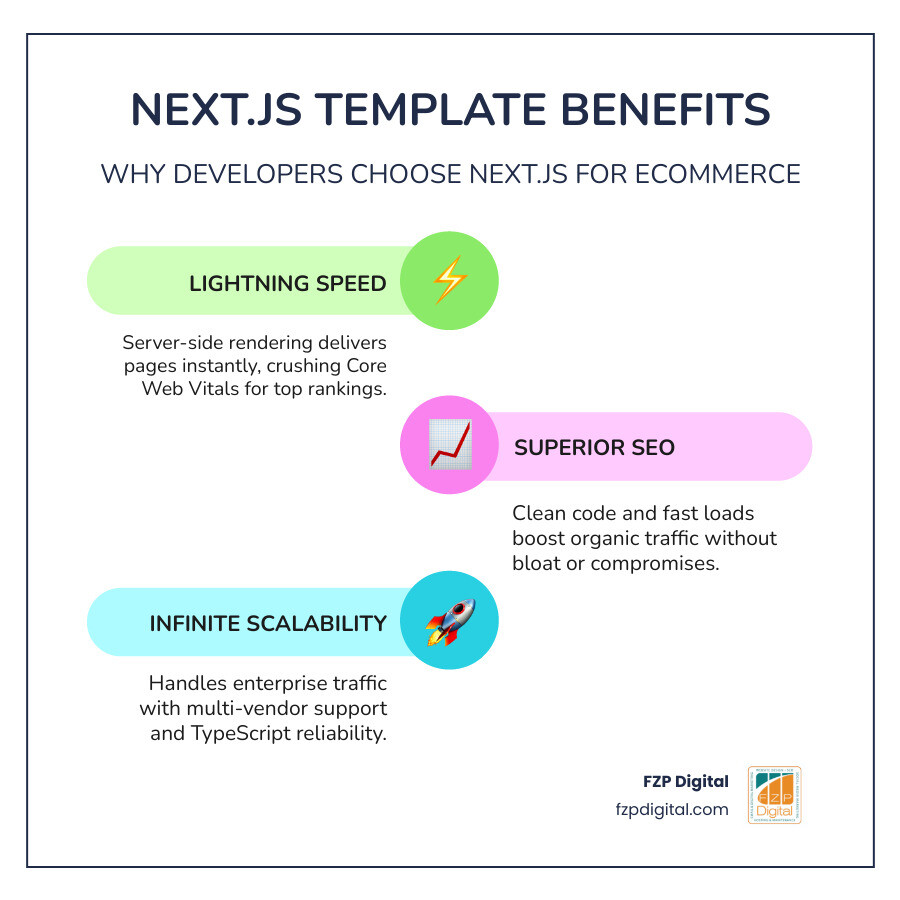
If you have a developer on your team (or you are the developer), Next.js is the peak of performance. Templates like Bazaar and CozyCommerce offer a full-stack solution. Bazaar, for instance, comes with 75+ server-side rendered pages and is 100% TypeScript. This tech stack allows for “multi-vendor” support (think your own mini-Amazon) and lightning-fast speeds that traditional platforms struggle to match.
Niche-Specific Winners for 2026
Not every store has the same needs. A jewelry shop needs high-res zoom, while an electronics store needs a massive comparison table.
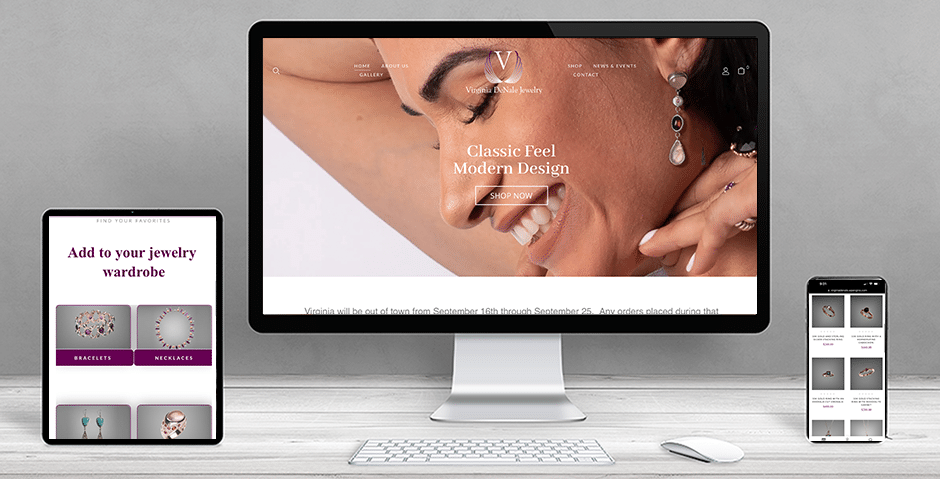
Fashion and Jewelry: Visual Storytelling
In fashion, the image is everything. The best ecommerce template for this niche will prioritize high-resolution imagery, product swatches (so users can see the “Ruby Red” or “Ocean Blue” instantly), and “lookbooks.” Minimalist palettes, like those found in the Refresh or Timeless Shopify themes, allow your products to be the star of the show.
Electronics and Digital Products: Finding the Best eCommerce Template
Selling gadgets or software? You need advanced filtering and mega menus. Customers want to filter by “Battery Life,” “Processor Speed,” or “File Type.” Robotflow on Webflow is a standout here, offering a tech-forward design that feels as advanced as the products you’re selling.
Food, Drink, and Home Decor: Minimalist Aesthetics
For home decor or a local bakery, you want a “warm” feeling. The Timeless theme (specifically the Nectar preset) is perfect for this. It emphasizes brand storytelling and includes essential features like nutritional info sections or local delivery scheduling.
Frequently Asked Questions about eCommerce Templates
Are free eCommerce templates as good as paid ones?
Free options like Shopify’s Refresh or Framer’s Waitlister are fantastic for starting out. They are clean, fast, and built by the platform experts. However, paid templates (usually $50–$380) often include “pro” features like bulk upsells, countdown timers, and advanced mega menus. As you scale, the extra $100 for a theme like Xtra often pays for itself in just a few extra sales.
How do I know if a template is truly SEO-friendly?
Don’t just take the developer’s word for it! You’ll want to look for clean code without “bloat” and proper heading structures. A great tip is to take the “Live Preview” URL of a template and run it through Google PageSpeed Insights. If it scores low on mobile, keep looking! At FZP Digital, we always prioritize templates that respect Core Web Vitals.
Can I switch my template later without losing my products?
On platforms like Shopify or Wix, your product data (titles, prices, images) is kept in a separate database from your design. This means you can “try on” a new theme like a new outfit. However, you will usually need to re-configure your homepage sections and navigation menus to fit the new layout.
Conclusion
Choosing the best ecommerce template is the first step in your journey to digital success. Whether you’re drawn to the power of Shopify, the design freedom of Webflow, or the speed of Next.js, your template should serve your customers first. It needs to be fast, mobile-friendly, and trustworthy.
At FZP Digital, we’ve spent years helping businesses in Philadelphia, Newtown, and Richboro navigate these technical waters. Our founder, Fred Z. Poritsky, believes in a collaborative “Develop . Design . Deliver” process. We don’t just pick a template; we craft a digital presence that boosts your organic rankings and turns visitors into loyal fans.
If you’re feeling overwhelmed by the thousands of options out there, don’t worry. Navigating SEO and web design is a challenge, but you don’t have to do it alone. We’re here to help you find that “Template Triumph” and build a store that actually sells. Ready to elevate your online presence? Let’s chat!