
The Ultimate Guide to NGO Website Development for World Changers
What Great NGO Website Development Really Means in 2026
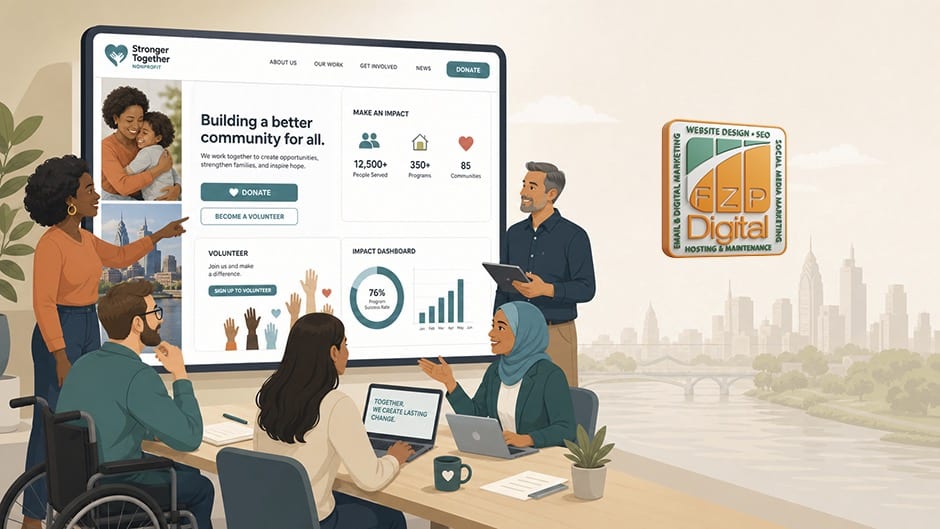
In 2026, a website is no longer just a digital business card for your organization; it is your primary tool for global impact. When we talk about ngo website development, we’re talking about creating a digital ecosystem that breathes life into your mission. It’s about purpose-driven design—where every pixel serves a goal and every line of code supports a cause.
Why an NGO website is more than an online brochure
Think of your website as your organization’s digital identity. It’s where credibility is born. When a major corporation is looking for a partner for their Corporate Social Responsibility (CSR) initiatives, they don’t just look at your social media; they search for a professional, secure, and transparent website.
A great site moves beyond being a static “brochure” by building community. It’s a hub for awareness where people can learn about social issues, see your work in real-time, and feel like they are part of a movement. Without a robust online presence, your mission stays local; with it, your reach becomes global.
The core goals of ngo website development
When we sit down with our partners in Philadelphia and Bucks County, we focus on several key conversion goals:
- Donations: Creating a frictionless path for people to give.
- Volunteer Recruitment: Making it easy for passionate people to sign up and get involved.
- Event Signups: Managing registrations for fundraisers or community workshops.
- Lead Capture: Growing your email list to keep supporters engaged long-term.
- Education and Advocacy: Providing resources that change minds and influence policy.
How transparency and accountability shape better nonprofit websites
Transparency is the “secret sauce” of successful ngo website development. Did you know that for many serious donors, a “Financials” section is actually more important than your “About” page?
Supporters want to see annual reports, financial audits, and clear impact statements. They want to know exactly how their $50 or $5,000 is being used. By including leadership bios and detailed “Thank You” pages that explain the next steps, you build a bridge of trust that lasts. For a deeper dive into these elements, check out our nonprofit website design complete guide.
Essential Features Every NGO Website Should Include
To turn a visitor into a hero for your cause, your site needs specific tools. You wouldn’t try to build a house without a hammer, and you shouldn’t build an NGO site without these essentials.
Must-have pages and tools for effective ngo website development
Every high-performing NGO site needs a clear hierarchy. This includes:
- Secure Donation Pages: The heart of your fundraising.
- Recurring Giving Options: To build a sustainable, monthly donor base.
- Volunteer Registration Forms: To capture data directly into your system.
- Dynamic Event Calendars: To keep your community informed.
- Media Galleries: High-quality, original photos and videos that show your work in action.
Donation systems, payment security, and donor confidence
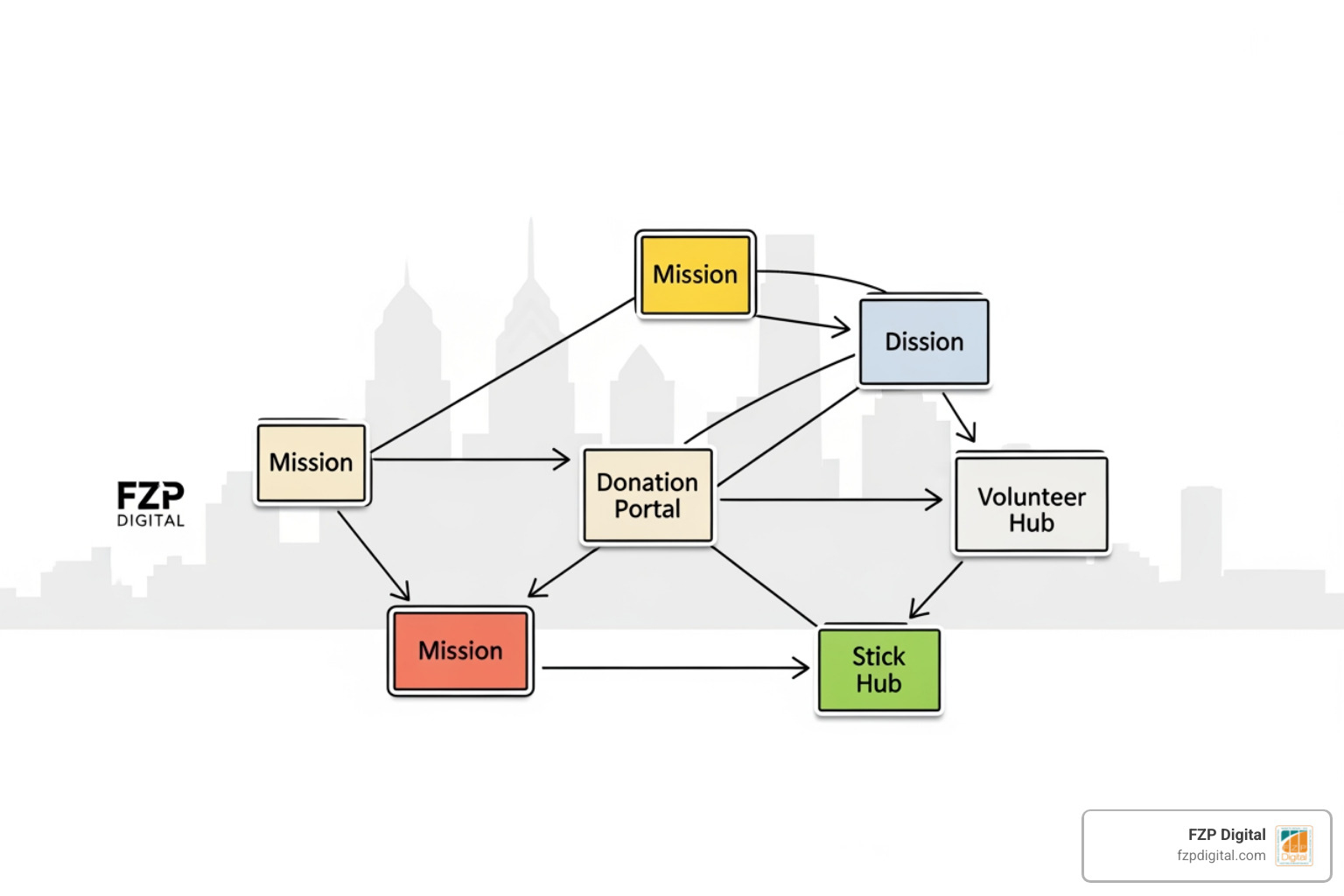
Security isn’t just a “nice to have”—it’s a legal and ethical requirement. Your ngo website development must prioritize SSL encryption and PCI compliance to protect donor data. Integrating trusted payment gateways like PayPal, Stripe, or Razorpay ensures that whether someone is donating from Downtown Philadelphia or across the globe, their transaction is safe. We also recommend automated tax receipts; it’s a small touch that saves your staff hours of manual work and makes your donors feel appreciated instantly.
Volunteer management and event features that save time
If you’re still managing volunteers through a messy spreadsheet, it’s time for an upgrade. Modern NGO sites can include custom volunteer dashboards where supporters can track their hours, download ID cards, or receive digital certificates of appreciation. Features like email automation for event reminders and attendance tracking can increase your management efficiency by up to 60%.
Custom solutions that help growing NGOs scale
As you grow, your needs change. You might need a multilingual CMS to reach diverse communities in regions like Philadelphia or even international audiences. Custom solutions like CRM integrations (think Salesforce or HubSpot) allow you to keep all your supporter data in one place. For organizations working in areas with spotty internet, we can even implement “low-bandwidth” modes to ensure your message gets through. You can see how these custom features come to life in this case study on designing a website for a non-profit NGO.
Why Mobile-Friendly, Accessible, and Fast Design Is Non-Negotiable
We live in a world where people want to do good on the go. If your site doesn’t work on a smartphone, you’re essentially closing your doors to a massive audience.
Why responsive design matters when mobile visits dominate
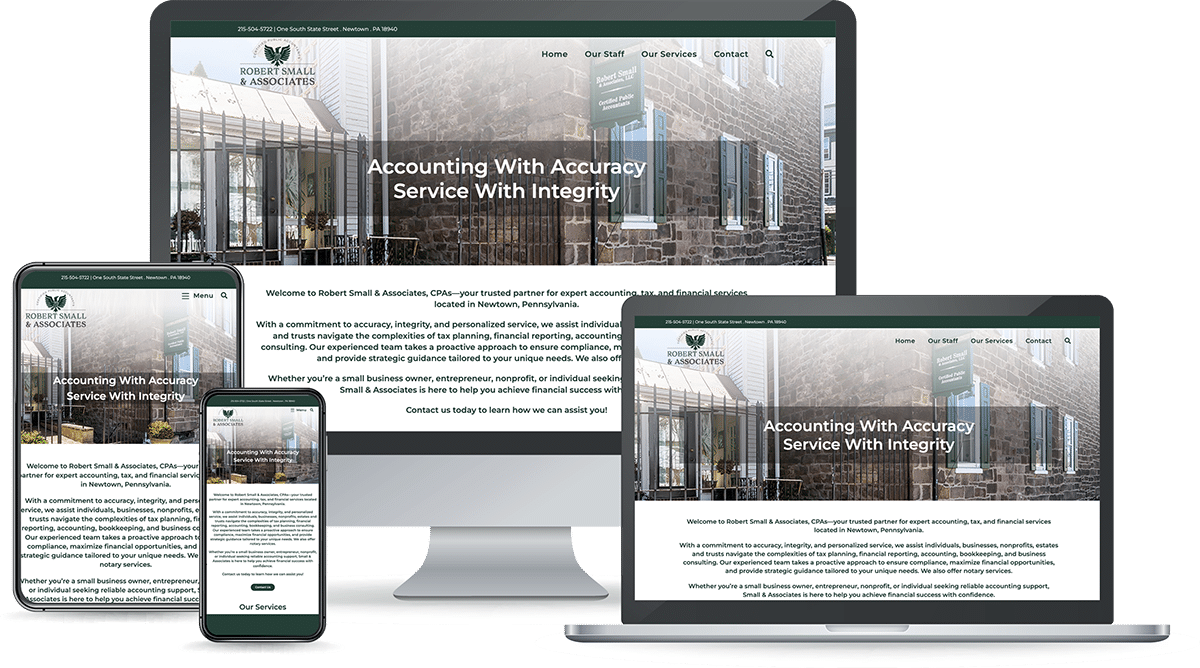
The data is staggering: mobile devices now account for 313% more visits to NGO websites than desktops. If your donation form is hard to use with a thumb, or if your navigation menu is tiny, you will lose supporters. Responsive design ensures your site looks and feels great whether it’s viewed on a laptop in Richboro or an iPhone in Philadelphia.
Accessibility standards every NGO site should follow
Inclusivity is a core value for most NGOs, so your website should reflect that. Following WCAG 2.1 and ADA standards isn’t just about avoiding lawsuits—it’s about making sure everyone can access your mission. This includes:
- High color contrast for visually impaired users.
- Keyboard navigation for those who can’t use a mouse.
- Alt text for all images so screen readers can describe them.
- Readable, clear fonts that don’t strain the eyes.
Learn more about these essentials in our guide to nonprofit website design best practices 2025.
How to optimize NGO websites for fast loading speeds
A slow website is a donor-killer. If a page takes more than three seconds to load, most people will bounce. We focus on image compression, “lazy loading” (where images only load as you scroll), and high-quality hosting to ensure your site is lightning-fast.
Designing for audiences with limited connectivity
For NGOs operating in rural areas or developing regions, “lightweight” design is critical. By using compressed media and simple, clean layouts, we ensure that your site remains functional even on slow 3G or 4G connections. This “mobile-first” approach is the standard for modern ngo website development.
Choosing the Right Platform for NGO Website Development
Choosing a platform is like choosing the foundation for your building. You want something sturdy, flexible, and easy to maintain.
Why WordPress and other CMS platforms work so well for NGOs
At FZP Digital, we are big fans of WordPress for nonprofits. Why? Because it’s user-friendly. You don’t need to be a “techie” to update a blog post or change a photo. It has a massive ecosystem of plugins specifically for donations, SEO, and security, allowing you to control your budget while still getting a “premium” feel. Check out the nonprofits guide to WordPress development for more details.
When to choose a template, custom build, or AI website builder
- AI Builders: Good for a “quick and dirty” landing page, but they often lack the scalability and unique branding an NGO needs to stand out.
- Templates: A solid middle ground for smaller organizations on a tight budget.
- Custom Builds: The gold standard. If you need specific features like a custom volunteer portal or complex integrations, a custom build is the way to go.
Integrations that make nonprofit websites more useful
Your website should talk to your other tools. We can integrate:
- Email Marketing: Automatically add new donors to your Mailchimp or Constant Contact lists.
- Analytics: See exactly where your donors are coming from.
- Social Feeds: Show your real-time impact from Instagram or X (Twitter) directly on your homepage.
WordPress vs. Custom NGO Platforms: What Actually Matters
| Feature | WordPress CMS | Custom Development |
|---|---|---|
| Cost | Lower / Budget-friendly | Higher / Investment |
| Flexibility | High (via plugins) | Unlimited |
| Speed to Launch | 4–8 weeks | 3–6 months |
| Maintenance | Easy for staff | Requires developers |
| Scalability | Excellent | Excellent |
SEO, Content, and Conversion Strategies That Increase Visibility and Donations
Building a site is only half the battle; people need to find it. This is where SEO (Search Engine Optimization) comes in.
Why SEO is essential for NGO visibility, awareness, and fundraising
If someone in Newtown searches for “local animal shelters” or “how to help homelessness in Philly,” you want your NGO to be the first thing they see. SEO helps you rank for “cause keywords,” making you visible to potential donors, volunteers, and even grant-makers.
Content that helps supporters trust you and take action
Donors give to people, not to organizations. Use original photography of the people you help rather than sterile stock photos. Share success stories that highlight a single person’s journey—this creates an emotional hook that data alone can’t match.

How ngo website development supports better conversion rates
“Conversion” is just a fancy word for getting someone to take action. We do this by:
- Clear CTAs: Using buttons like “Donate Now” or “Join the Team” in high-contrast colors.
- Landing Pages: Creating specific pages for different campaigns.
- Social Proof: Showing testimonials from other donors or partners.
Measuring success after launch
We don’t just launch and leave. We use tools like Google Analytics and heatmaps to see how people are interacting with your site. Are they stopping halfway through the donation form? Is the “Volunteer” page getting traffic? This data allows us to refine the site for even better results. For more on this, see our article on essential marketing for nonprofits.
How to Choose an NGO Website Development Company, Budget Smartly, and Plan Your Launch
Picking the right partner is the most important decision you’ll make in this process.
How to choose the right NGO website development company or agency
Look for an agency that understands the nonprofit world. They should be experts in accessibility, SEO, and donor psychology. Most importantly, they should be collaborative. At FZP Digital, we use a “Develop . Design . Deliver” process that keeps you involved at every step. Check out this list of top nonprofit web design companies to help you compare.
Typical cost range for professional NGO website development
Budgets for ngo website development can vary wildly:
- Starter/Basic Sites: ₹10,000 – ₹25,000 (approx. $150 – $300) for very simple setups.
- Professional Mid-Tier: $4,500 – $18,000 for custom WordPress sites with donation and volunteer tools.
- Enterprise/Custom Solutions: $25,000+ for large foundations with complex, multi-language, or regional requirements.
How long it takes to build and launch an NGO website
A professional build typically takes 4 to 8 weeks. This includes discovery (learning about your mission), wireframing (the skeleton of the site), design, development, and a rigorous “Quality Assurance” phase to make sure everything works perfectly before the big day.
Post-launch maintenance and support every NGO needs
Your website is a living thing. It needs regular updates, security scans, and backups. We recommend having a support plan in place so that if something goes wrong—or if you just want to add a new feature—you have an expert ready to help. You can learn more about ongoing support from Liquid Light’s guide to nonprofit development.
Frequently Asked Questions About NGO Website Development
How much should an NGO spend on a website?
It depends on your goals. If you’re a small local group in Bucks County, a starter site might be enough. But if your goal is to raise significant funds online, investing in a professional platform will pay for itself through increased donations.
How long does NGO website development usually take?
Most of our projects wrap up in about 6 weeks. The biggest delay is usually content—so start gathering those stories and photos early!
Can a small NGO use AI tools and still have a professional site?
AI tools can help with drafting copy or generating ideas, but they can’t replace a human strategy. A “cookie-cutter” AI site won’t have the emotional depth or the specific security integrations needed to build real trust with donors.
Conclusion
At the end of the day, ngo website development isn’t about code—it’s about people. It’s about the person who wants to help but doesn’t know how, and the person whose life will be changed by your organization’s work.
At FZP Digital, we take pride in being more than just a vendor; we’re a partner in your mission. Whether you’re located in Philadelphia, Newtown, or Richboro, we’re here to help you build a digital presence that reflects the heart of your cause. Ready to make a bigger difference? Let’s start building something great together. Learn more about how we can help with charity NGO websites.